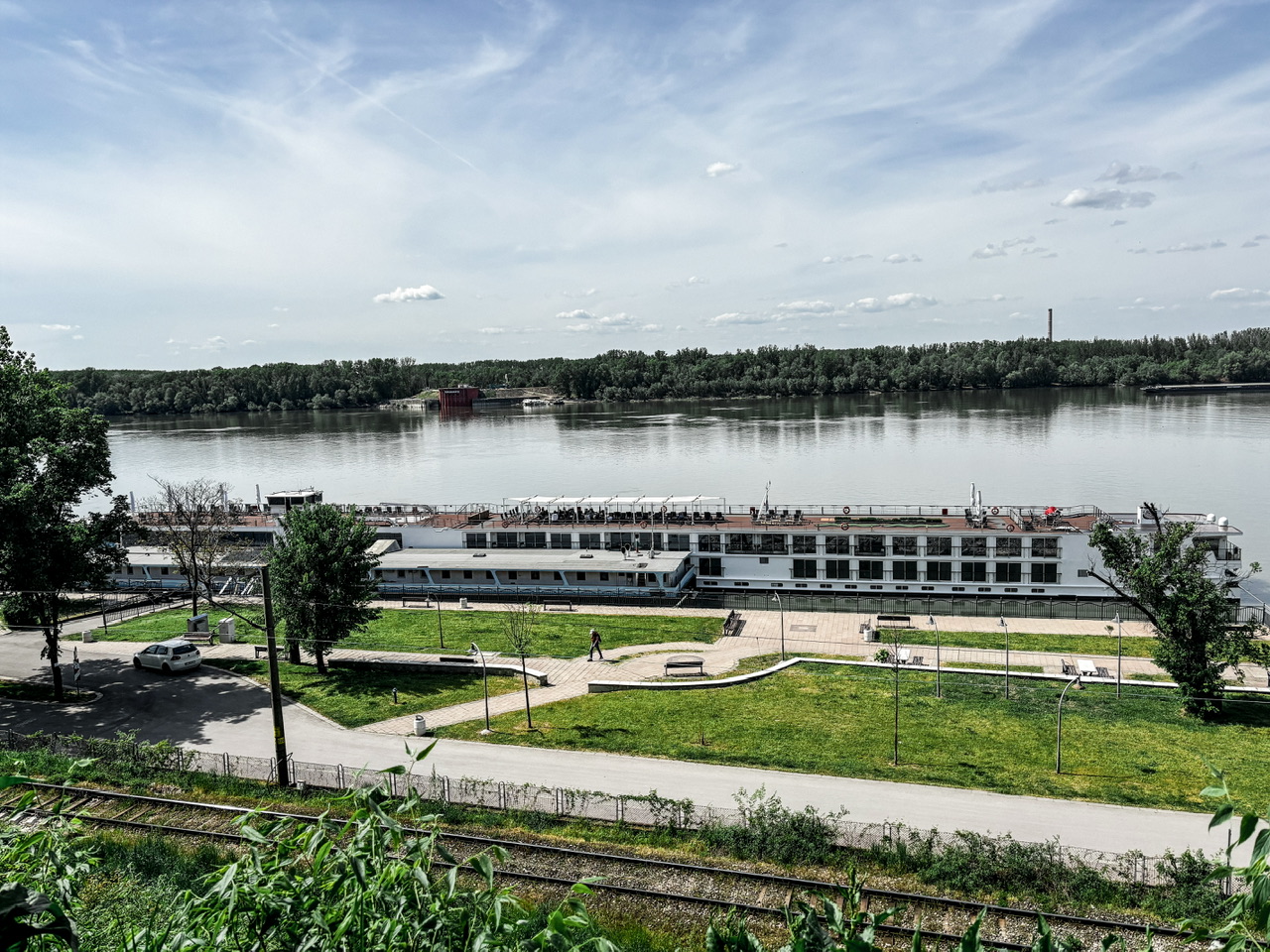
The Danube is the most international river in the world, flowing through 10 countries across Europe. In April, I joined my dad on a 10-night Danube River Cruise with Viking from Budapest to Bucharest, a journey defined by folklore, traditions, and recent history rather than royal palaces and castles.
First Impressions of Viking Cruises
Viking impressed me with their exceptional organisation. About a month before our departure we received a package in the mail which included luggage tags and Budapest airport arrival instructions. The process was seamless and it would be virtually impossible to get lost – we were met by a Viking representative in arrivals, transferred to our hotel, and greeted there with schedules and instructions.
Viking Hotel Extensions
Our hotel extension accommodation before and after our Danube river cruise which came as part of our package was at large, established hotels with multiple restaurant choices and amenities such as spas and swimming pools.
In Budapest we stayed at the Corinthia Hotel for two nights and then for one night in Bucharest the JW Marriott. Both were stunning.
On board the Viking Lif
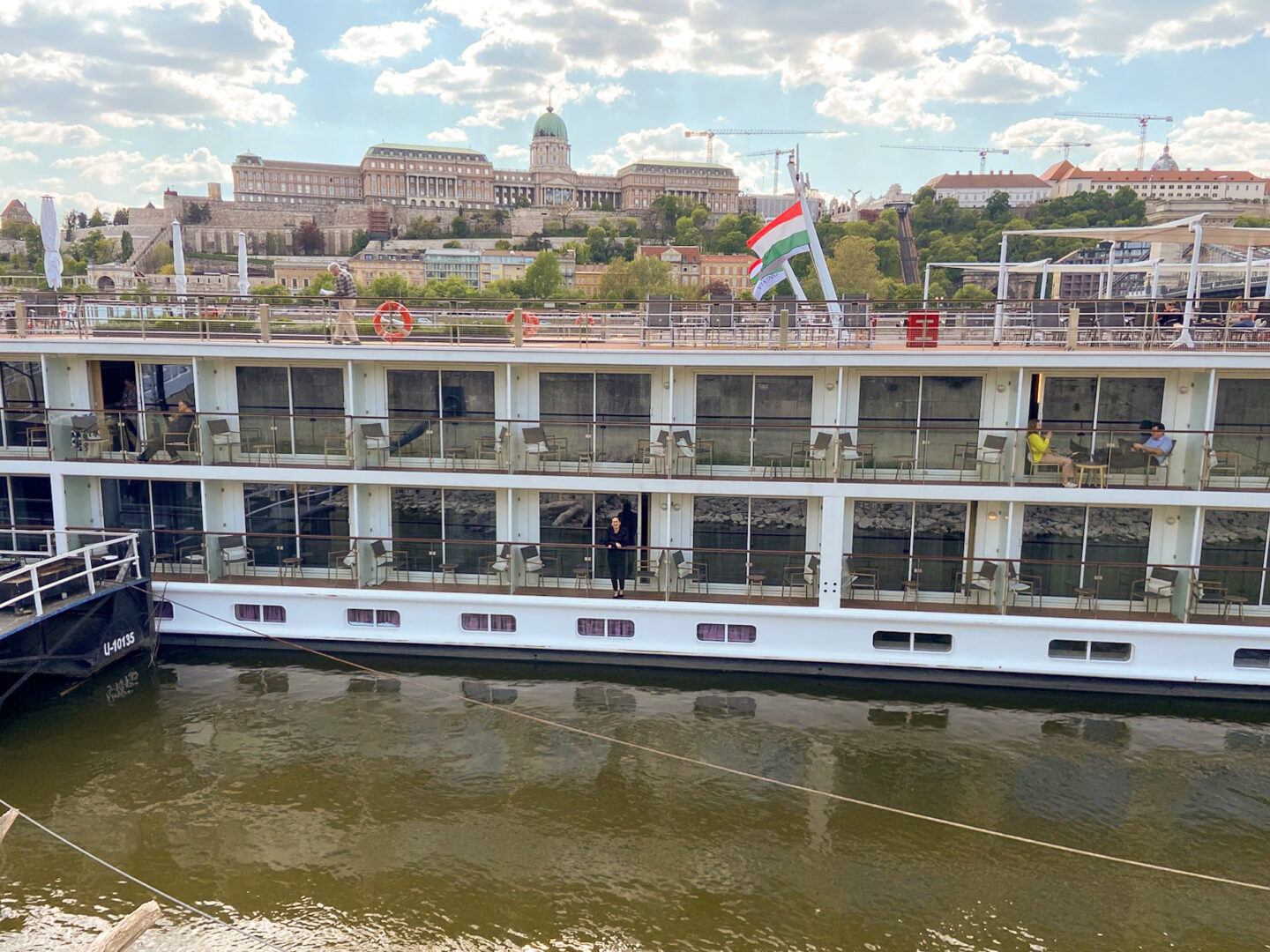
Our ship, Viking Lif, was named for a figure from Norse mythology and was more boat-like than the sea cruise ships I’ve been on which could feel similar to a large floating shopping mall. Many of the 50-odd crew were local and had already worked a number of years for Viking after having careers with ocean cruise lines. They really looked after us.
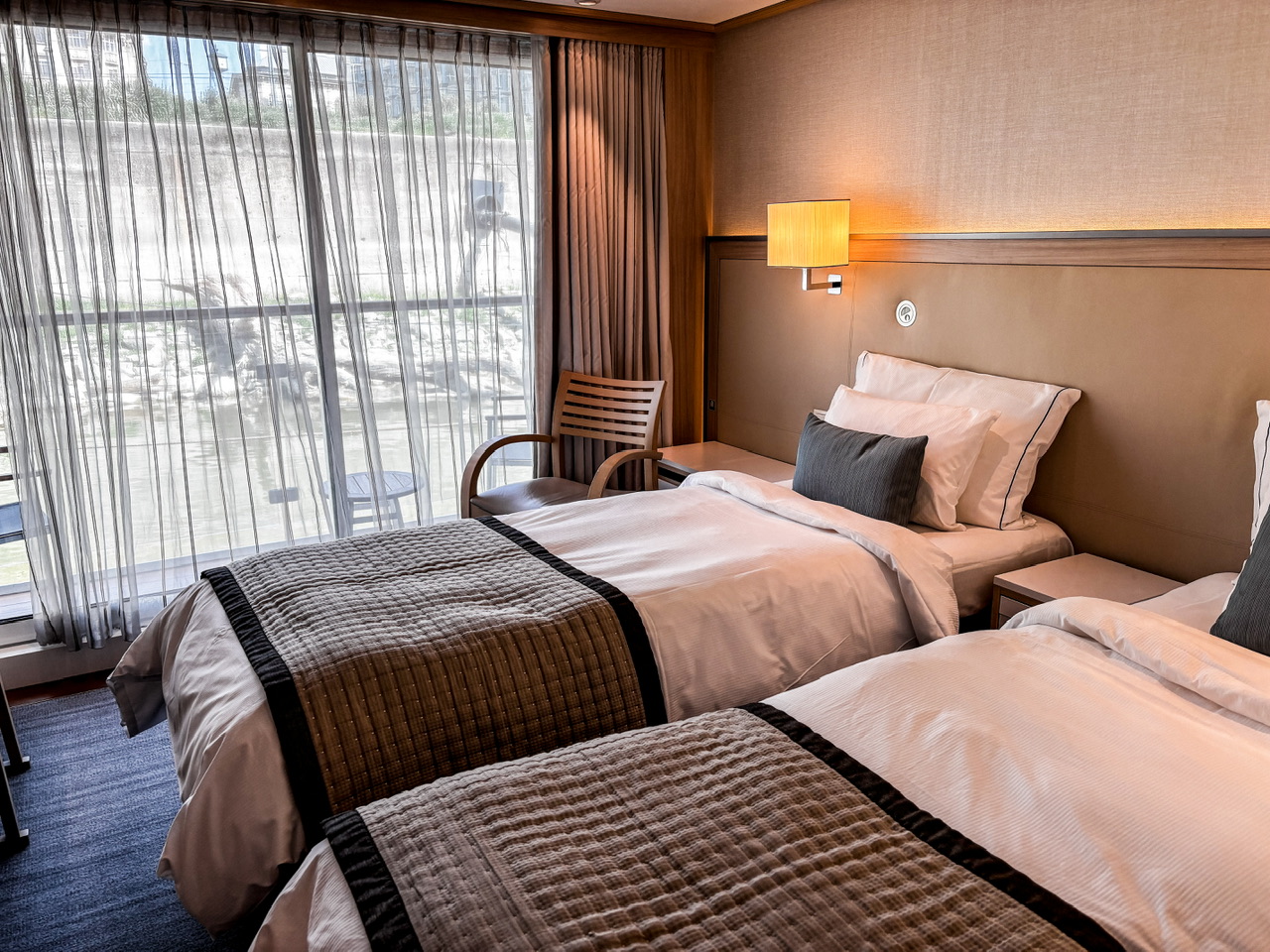
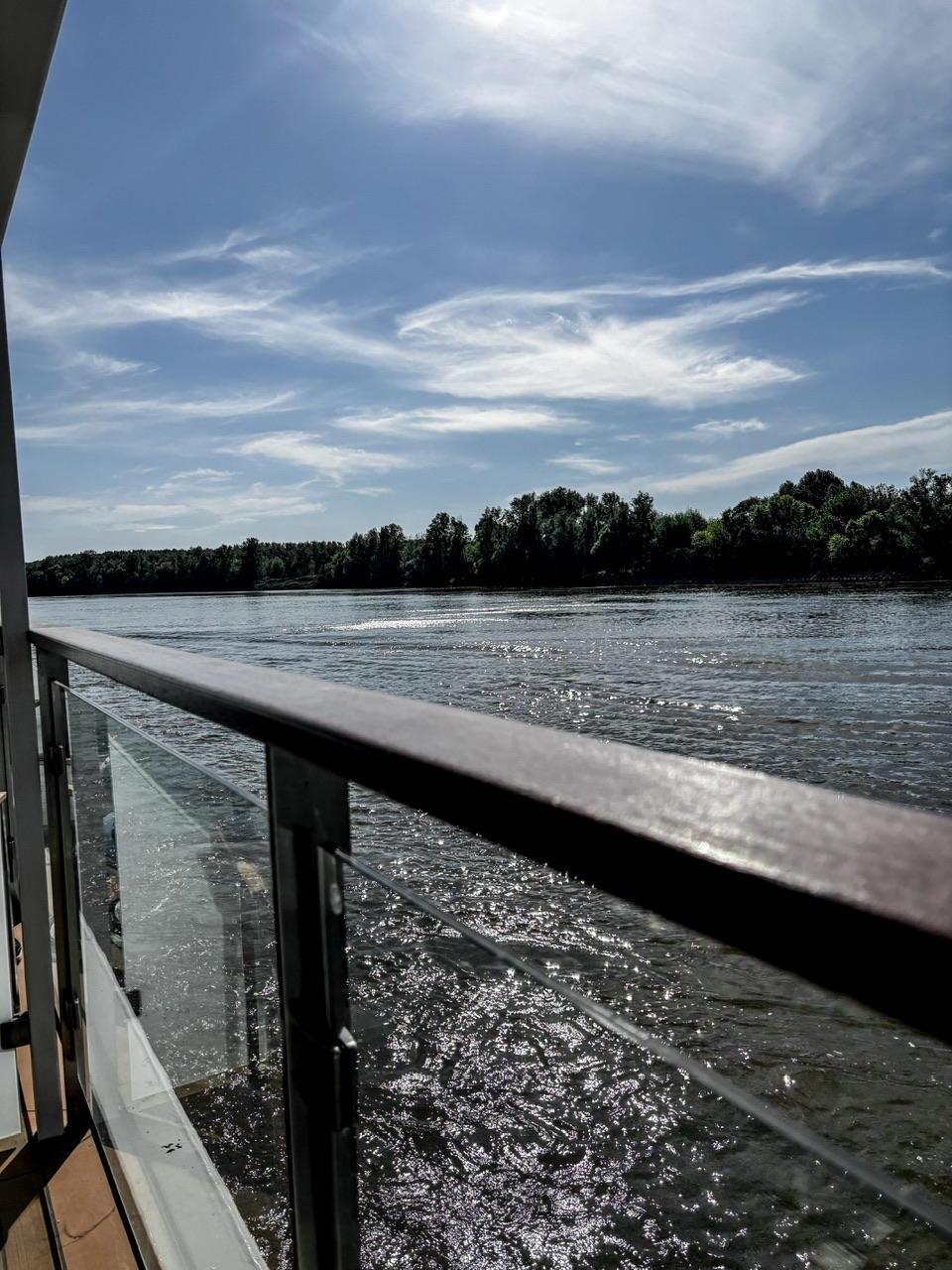
While every state room has a balcony you’re often tethered to other ships at port side by side and looking into another window.
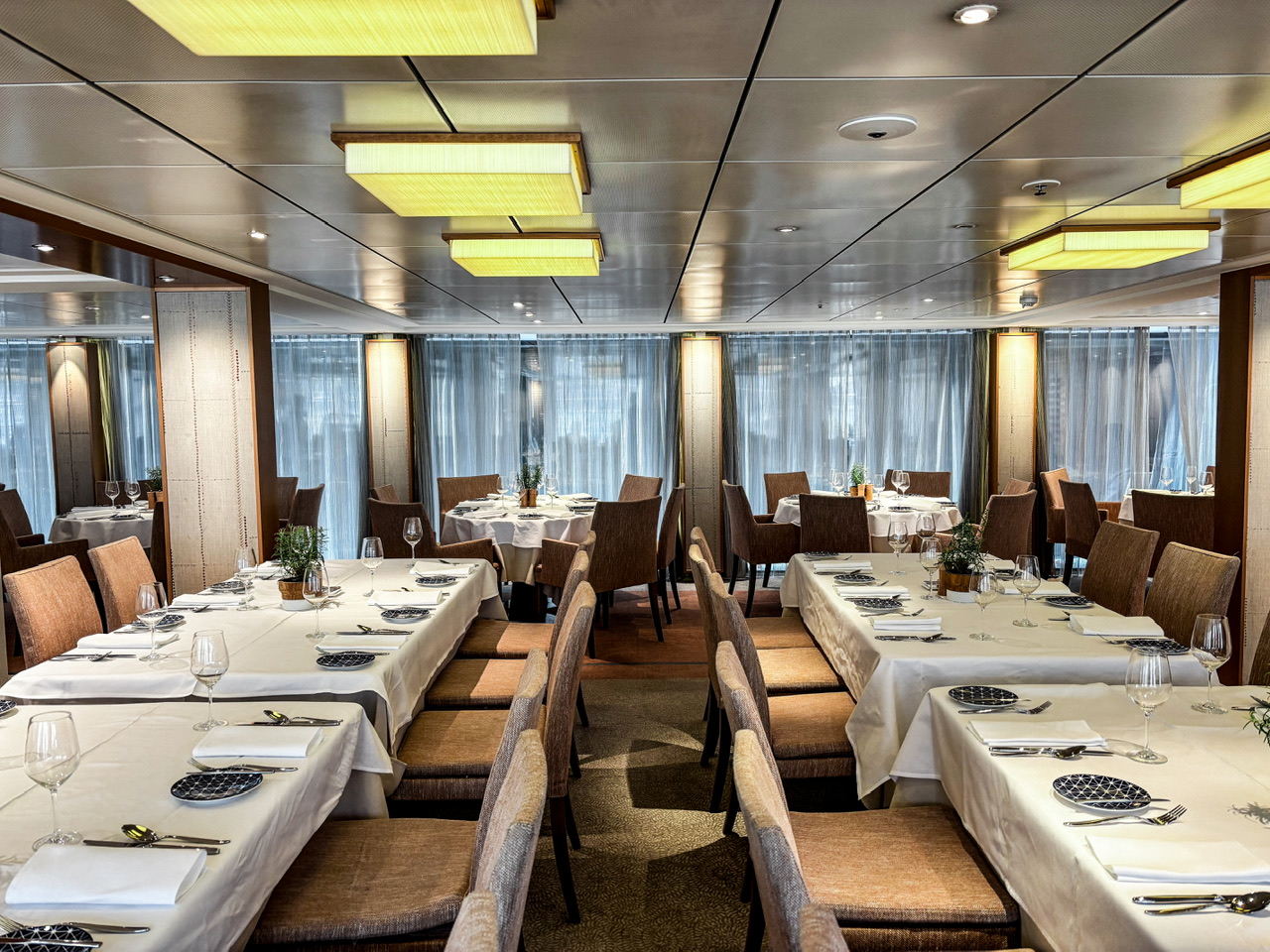
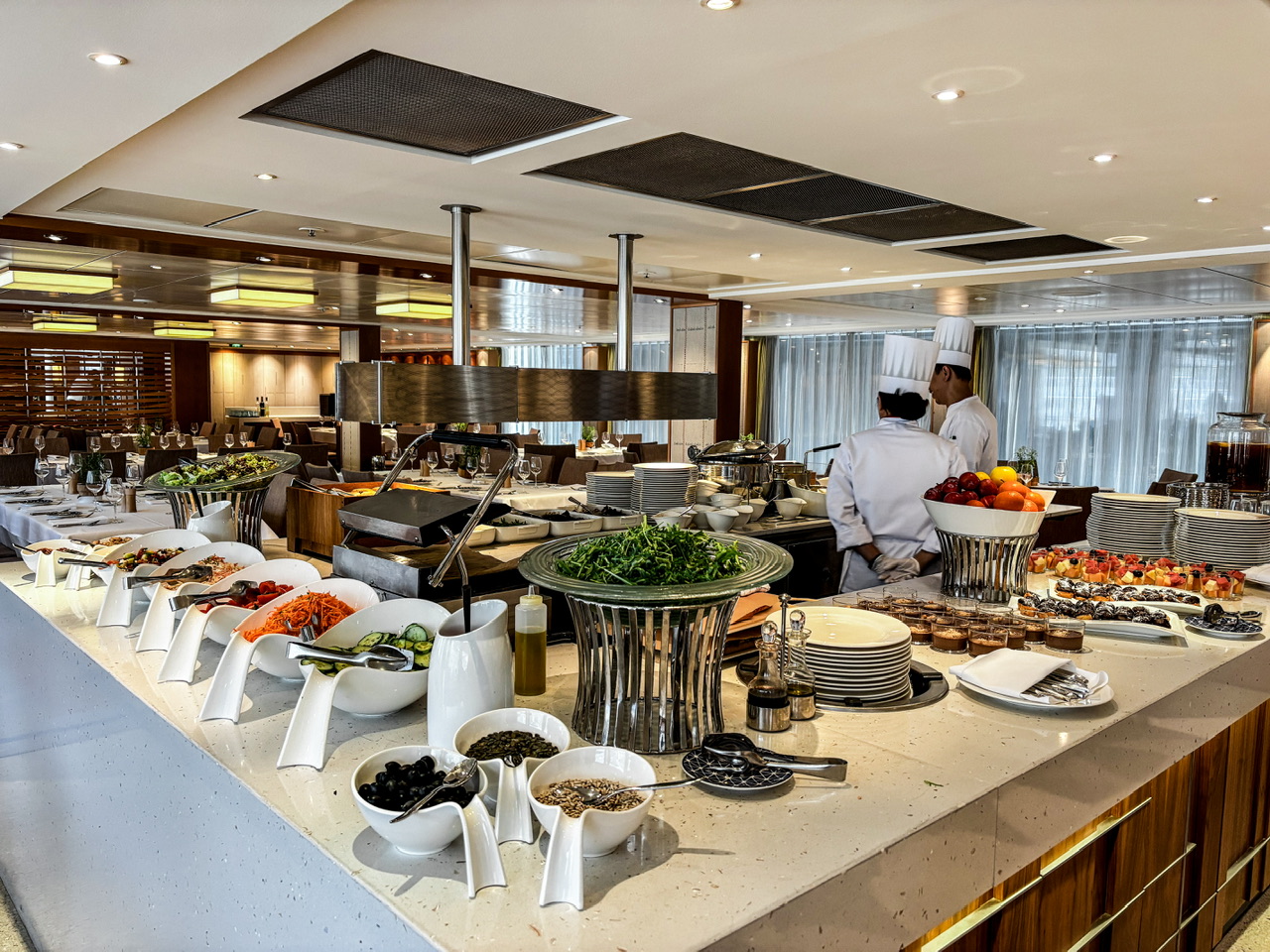
There are no formal nights however guests are requested to dress in “elegant casual” in the evenings which means collared shirts for men and no jeans at dinner. The food was exceptional and plentiful with menus of choices and a couple of glasses of wine or soft drinks were included with our lunches and dinners.
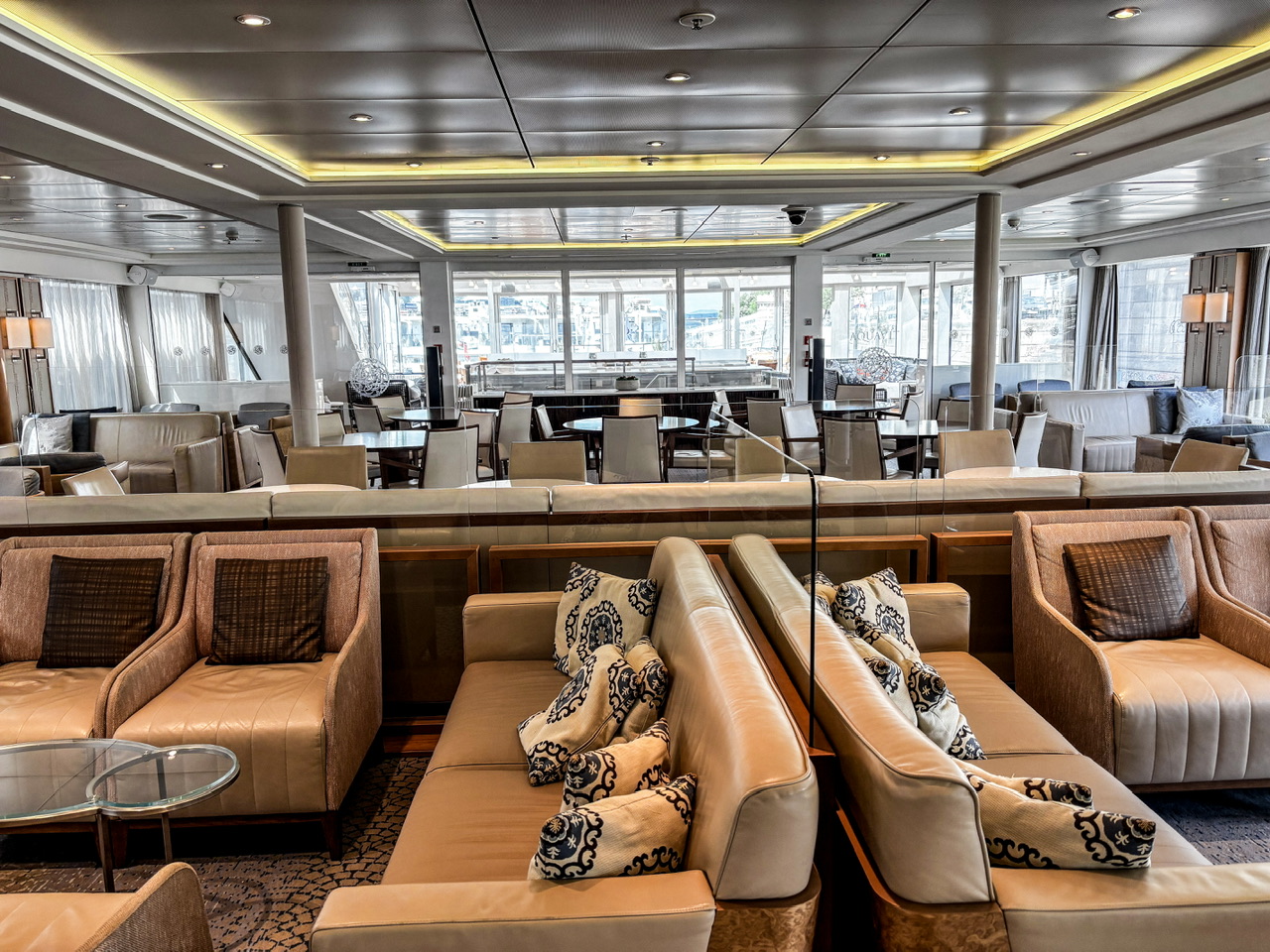
Performances of local live music and educational presentations and lectures which provided insight into the various civilisations, religions and cultures. These fitted a worldly and intelligent audience.
Viking Cruise Excursions – what to expect
Each stop included a guided excursion led by local experts who often had personal connections to the area.
The excursions usually left around 8:30am and lasted around 4 hours, seeing sites such as churches and fortresses. We also heard from local people, were offered regional refreshments, had our own free time and had a toilet stop. The groups could be quite large and Quietvox devices are used to hear the guides.
If you choose not to do any of the optional (paid) shore excursions you have your afternoons free, giving you time to explore independently or just walk along the Danube.
Highlights from the Budapest to Bucharest Itinerary
Budapest, Hungary
Our first excursion, the day after we arrived in Budapest, took us on a tour which encompassed both the modern Pest and more traditional Buda sides to Budapest’s city, introducing us to the city’s history and landmarks and giving us panoramic views. Saint Stephen, the first Hungarian king (home founder) and one of the first Hungarian saints was mentioned a lot.
The monuments have such connections to the city’s history – Fisherman’s Bastion, a terrace in the castle district has seven turrets symbolising the seven Magyar tribes that founded Hungary in 896. Seven mounted horsemen at the base of the Millennium Monument in Heroes’ Square represent the seven chieftains who led these tribes, and the domes of both Budapest’s parliament building and St Stephens Cathedral are 96m high.
Before boarding the Viking Lif near the iconic Chain Bridge we visited Margaret Island and the Budapest Central Market Hall.
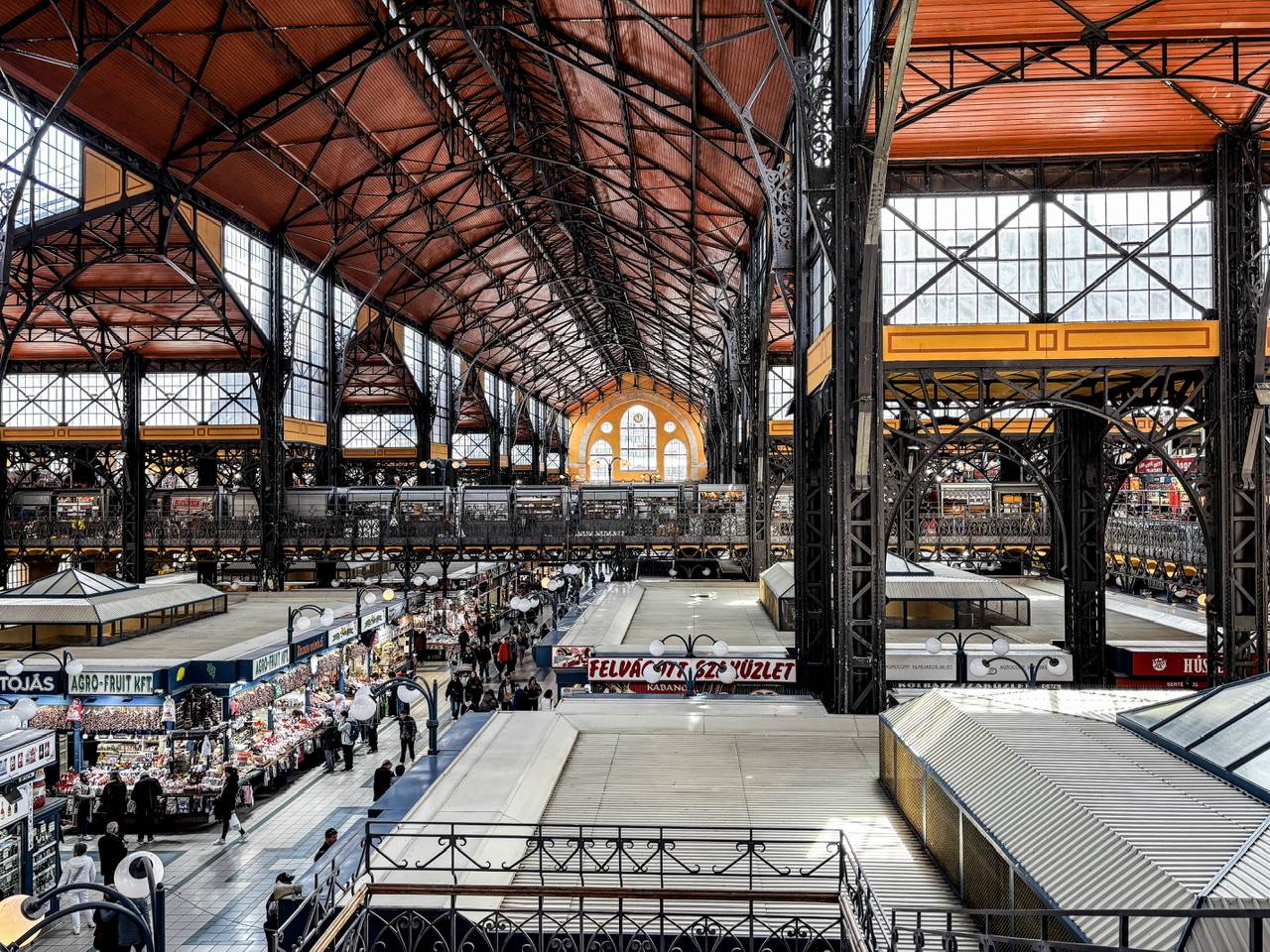
Kalosca, Hungary
In Kalosca we visited St Joseph Church where there was a short organ concert, and saw a show of traditional horsemanship at the Bakodpuszta Equestrian Center.
Osijek, Croatia
Osijek is the fourth-largest city in Croatia which we visited by bus from where we docked in Vukovar – a riverside city where the Danube and Vuka rivers meet.
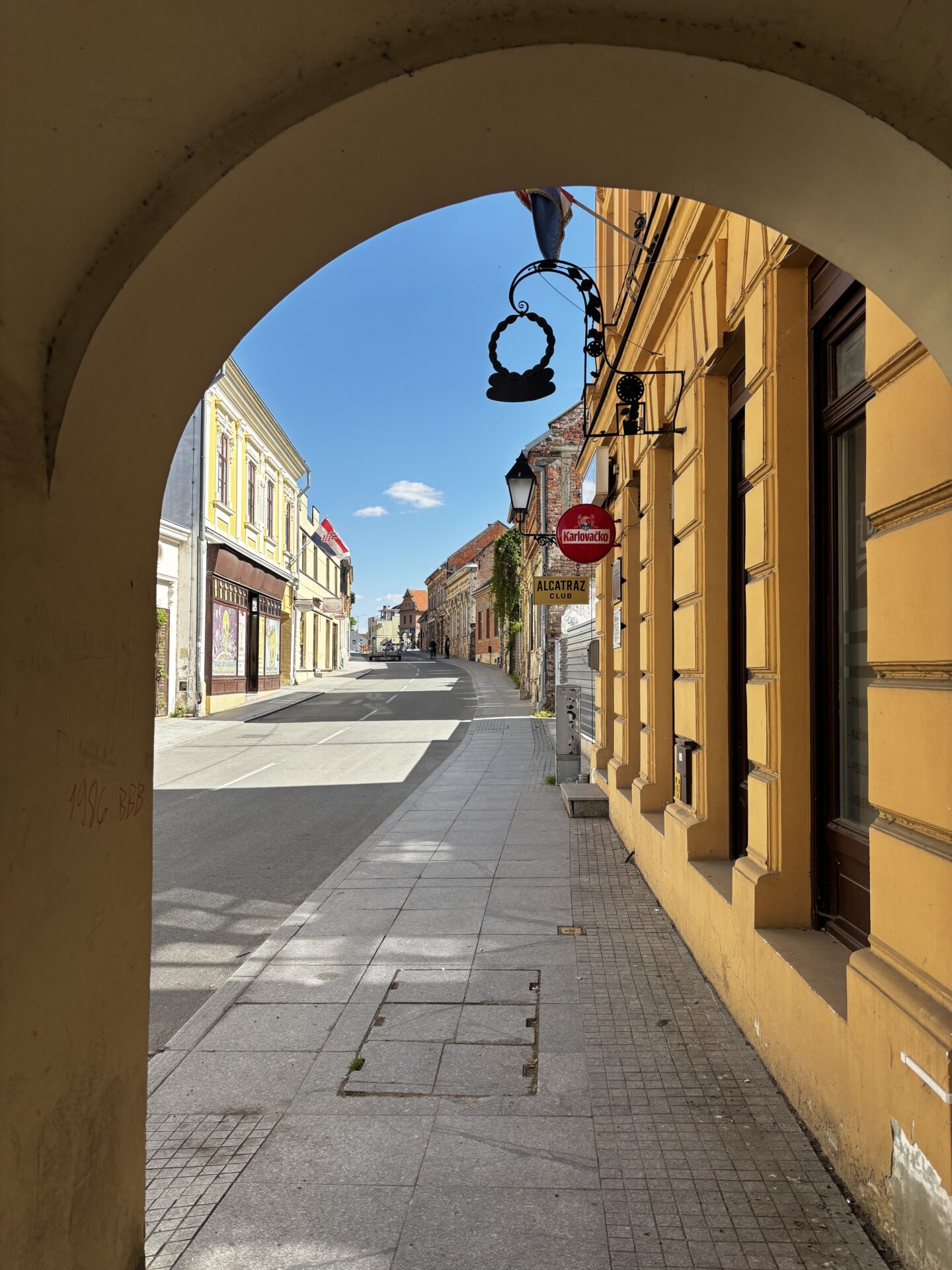
In Osijek we visited the Rising of the Holy Cross Church where a young local musician sang and played the piano, the Holy Trinity Square complex, and local family to hear about their lives (which was actually a great experience rather than the awkward encounter I had imagined!).
Belgrade, Serbia
Belgrade, the capital of Serbia, was formerly the capital of the state of Yugoslavia. It is one of the oldest cities in Europe and it’s Serbian name translates to the “White City” after the white stone ridge of the fort on Kalemegdan Hill. As a contested region the city has been destroyed and rebuilt 20 times
We visited the church of St Sava, one of the largest Orthodox buildings in the world, and Kalemegdan Fortress which is now a popular park with many gardens, statues and several museums. From the top of the hill you can see where the Danube and Sava Rivers meet.
As we were still in port until 11pm and the weather was beautiful they opened the doors of the Aquavit restaurant terrace area allowing people to eat dinner at the tables on the deck as the sun set and the city lights turned on.
Golubec Fortress, Serbia
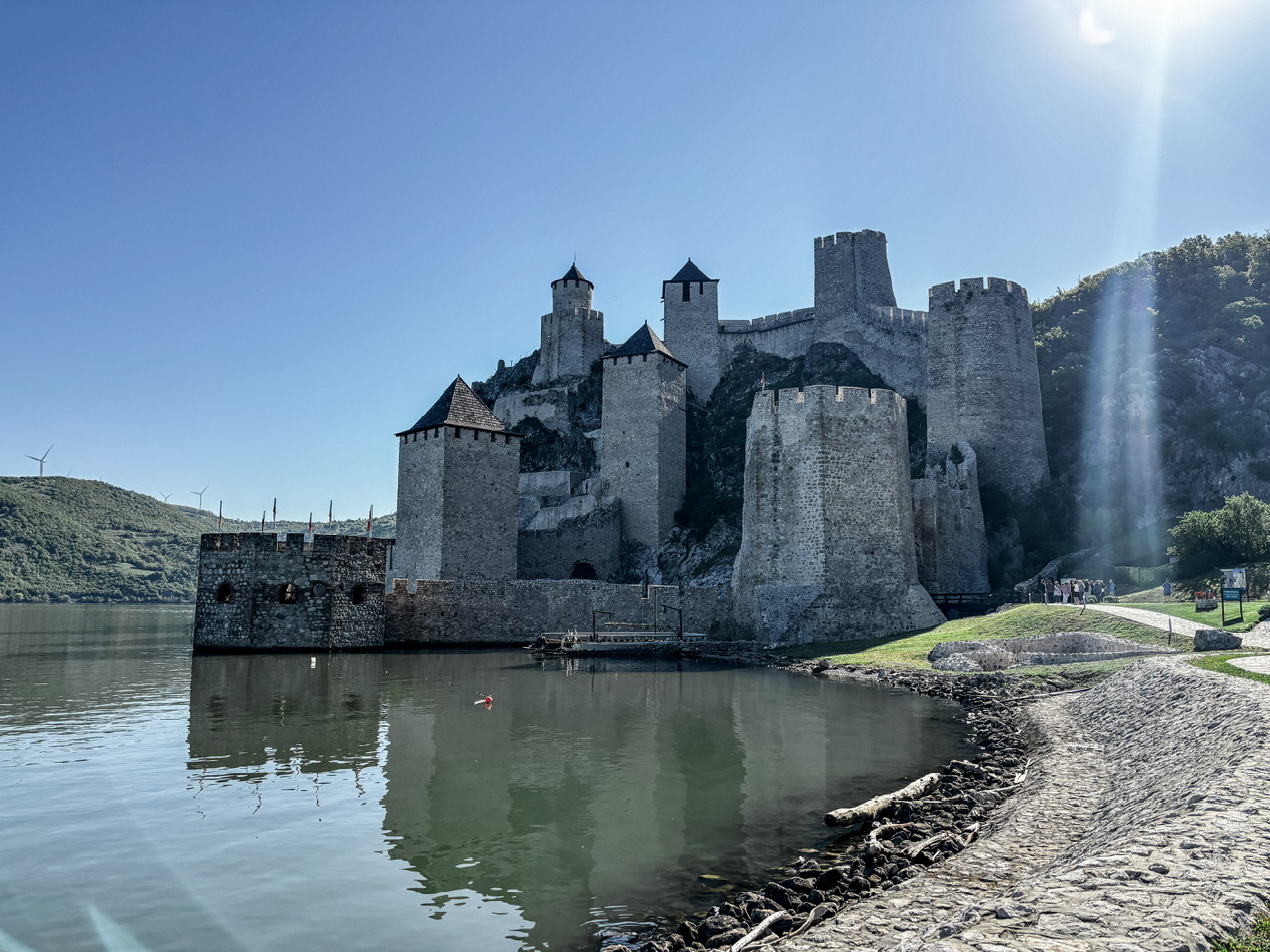
A newer stop on this cruise, the 14th century Golubec Fortress has changed hands between ruling empires of Serbs, Hungarians, Bulgarians and Turks. It was vastly remodelled between 2014 and 2019 and I found it mind-blowing that for many years a main road ran through it in both directions. There is no record of when it was built or who by.
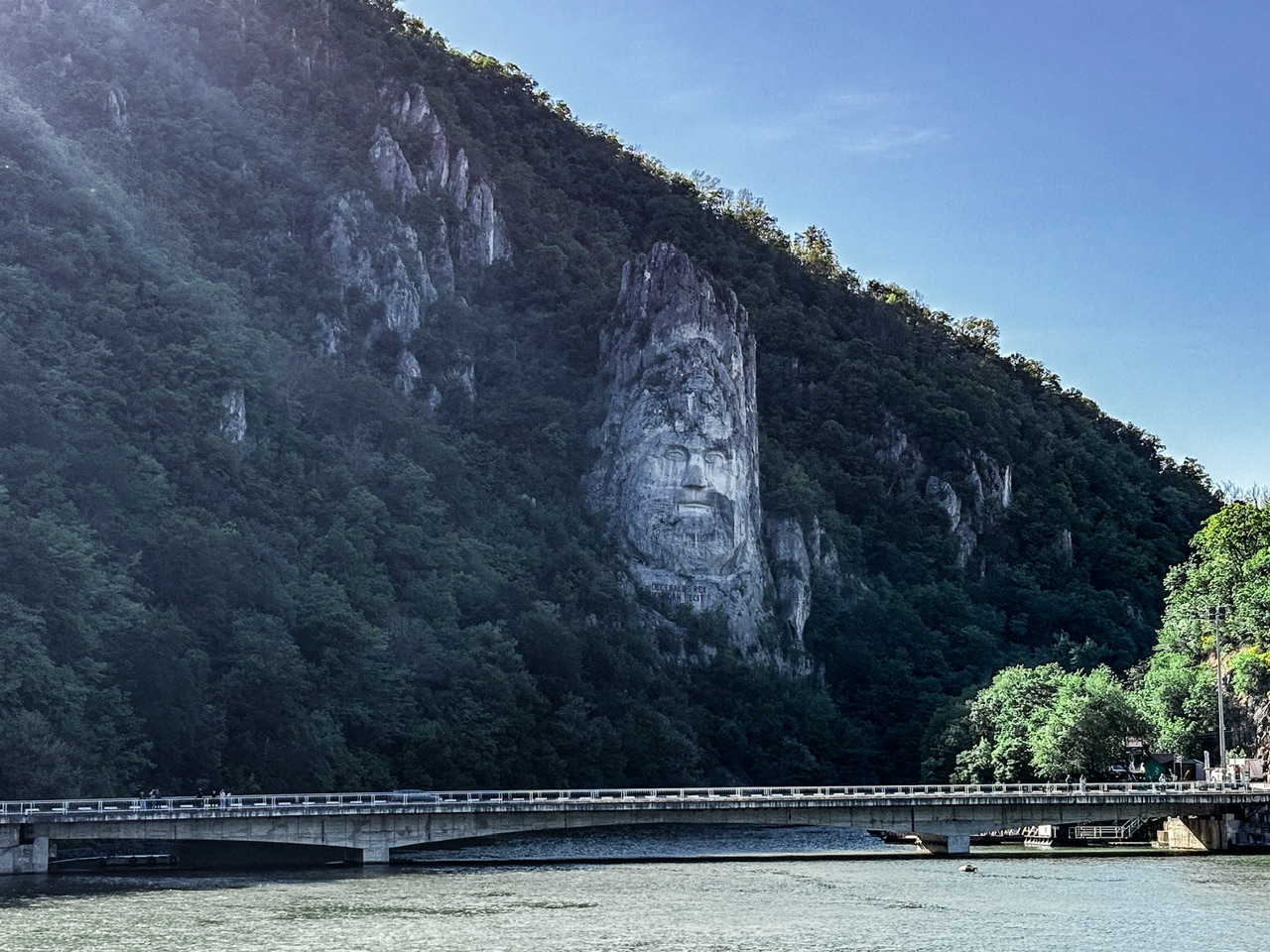
During the afternoon we sailed along the Kazan Gorge, a narrow stretch of the Danube River along the border of Serbia and Romania. The best place to be was upstairs on the sundeck where we had spectacular views and commentary from our Program Director.
Some of the key sights could really only be viewed from the water: Decebalus Rex – a 55 metre-tall face carved into a limestone cliff and Tabula Traiana (Trajan’s Plaque) a Romanian memorial plaque dedicated to Emperor Trajan which was relocated before the completion of a hydroelectric power station which raised the water level of the Danube by around 35 metres.
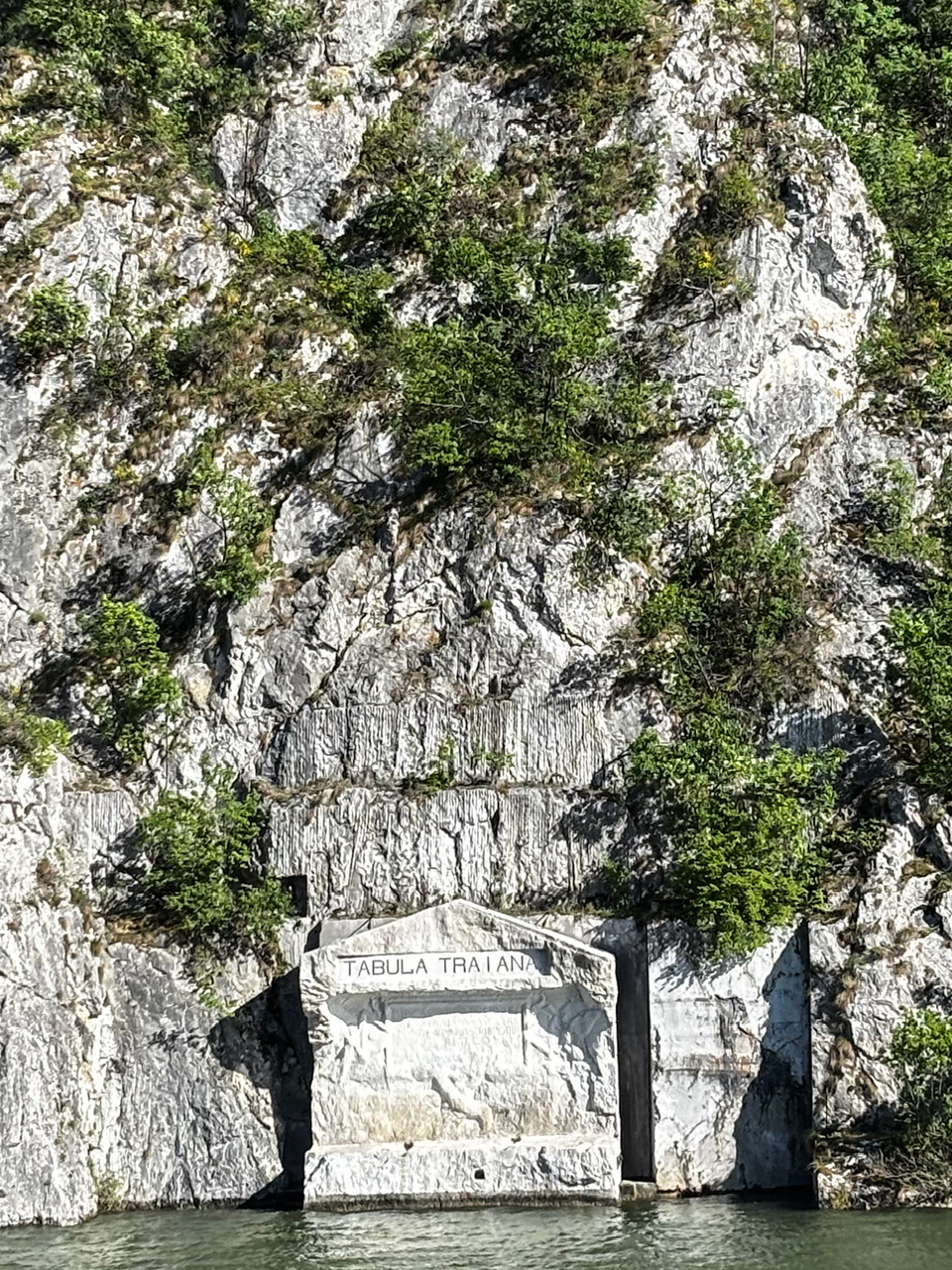
In the evening we passed through Iron Gate 1 Lock at the border of Romania and Serbia where there is a significant drop in river levels.
Vidin, Bulgaria
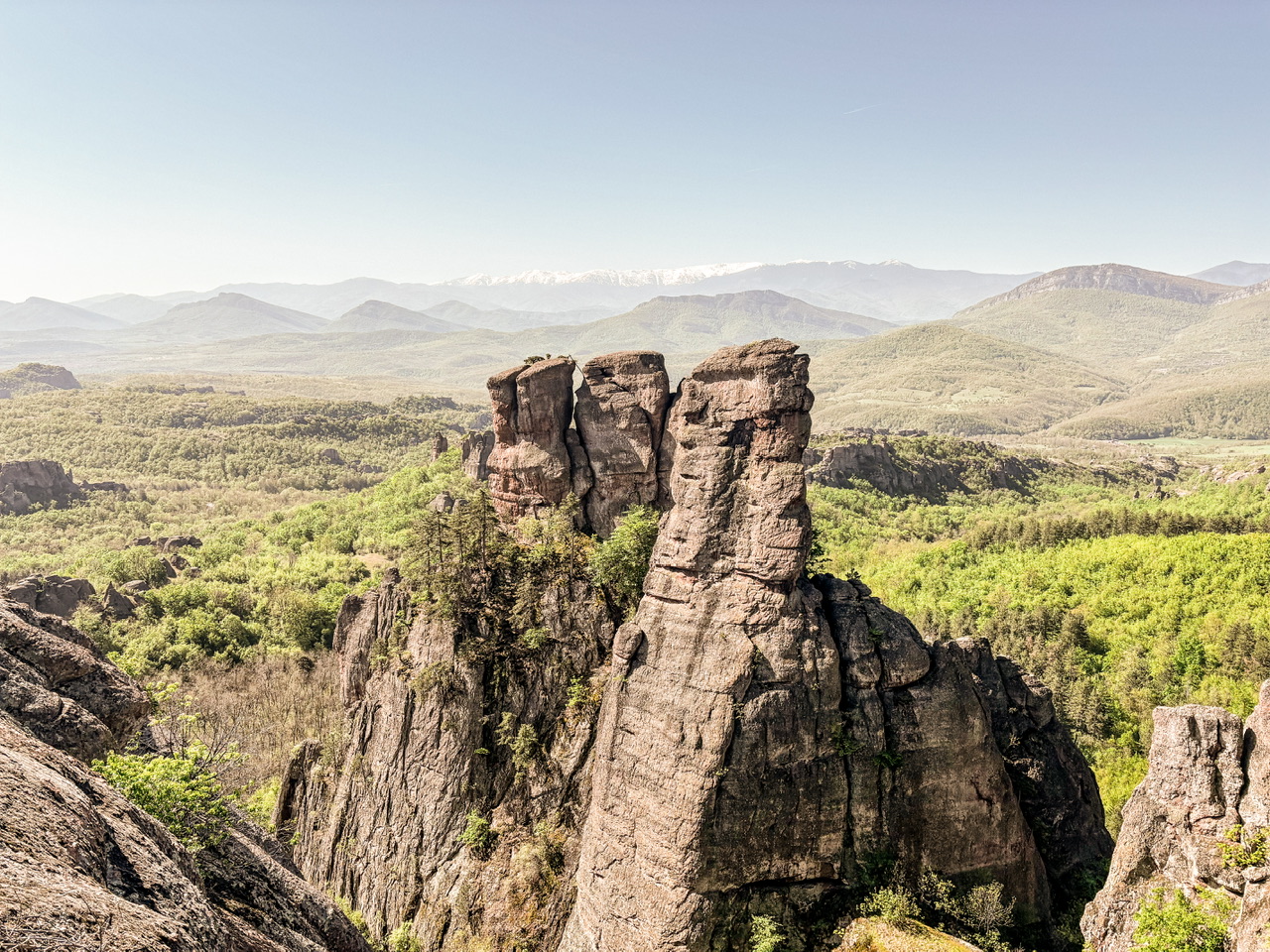
Our excursion from Vidin took us to Belogradchik Rocks and Fortress where weathering, river erosion and other factors over millennia have carved out shapes in the mountains. The terrain was steep but plenty of passengers with walking sticks were able to reach the top where the panoramic views were fabulous.
During the afternoon many people walked around 20 minutes from the ship to the preserved medieval Bulgarian fortress Babini Vidini Kull built around a castle on the riverbank.
Ruse, Bulgaria
We had the choice of two excursions in Ruse. The Ruse Highlights tour enabled us to see the highlights of “Little Vienna” and was a much shorter, relaxed tour that the full-day trip inland which was our alternative.
Bucharest, Romania
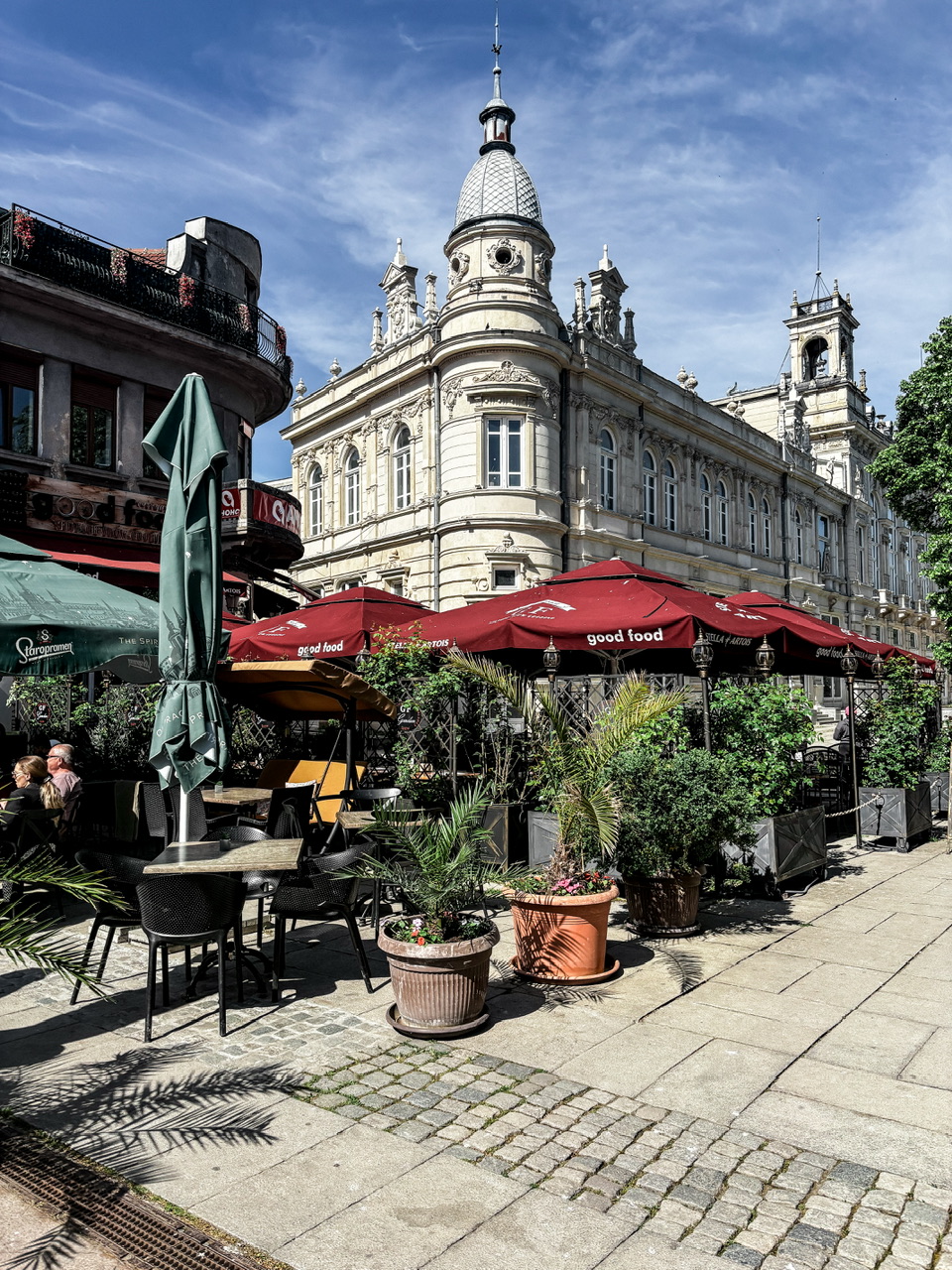
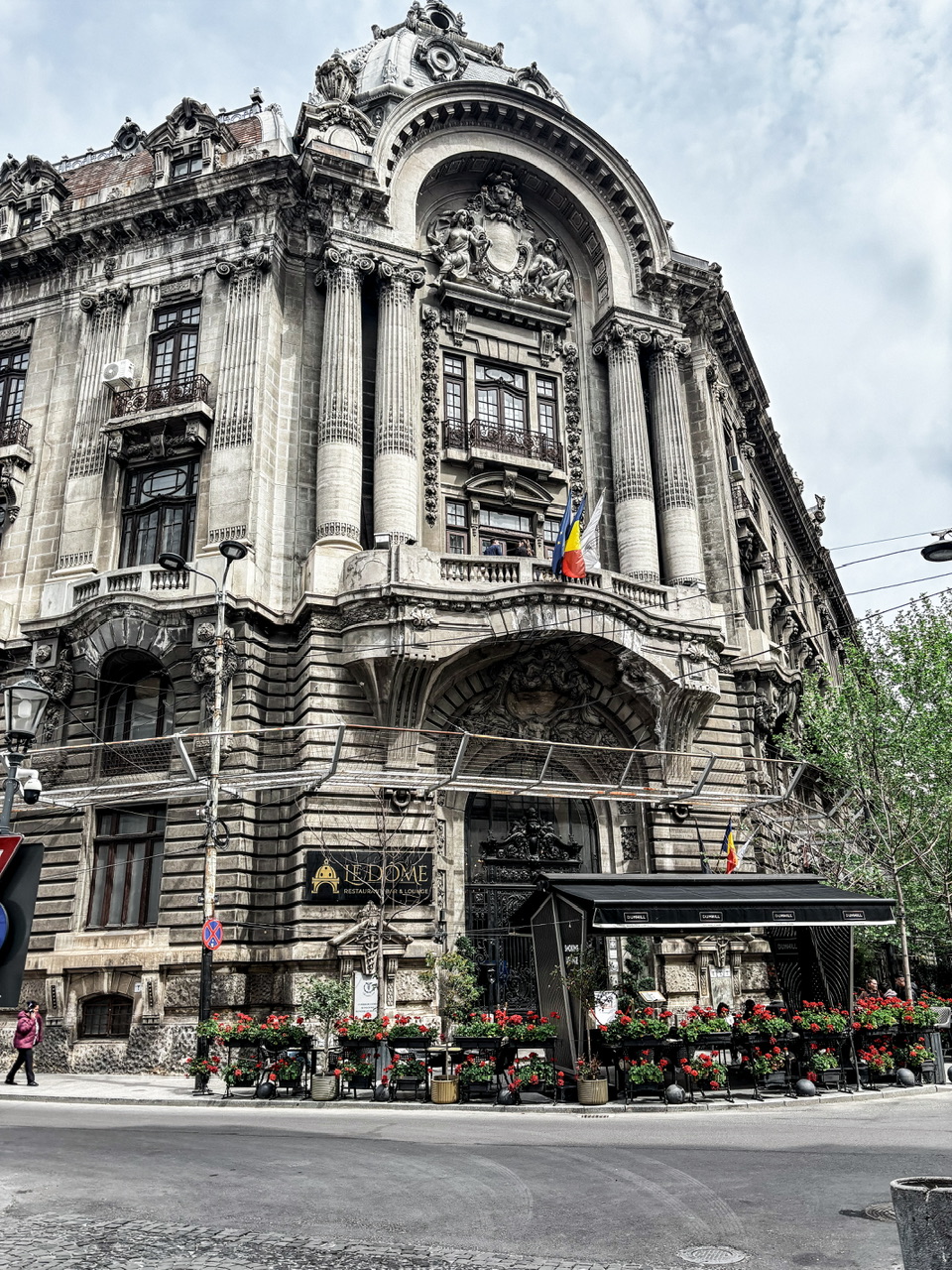
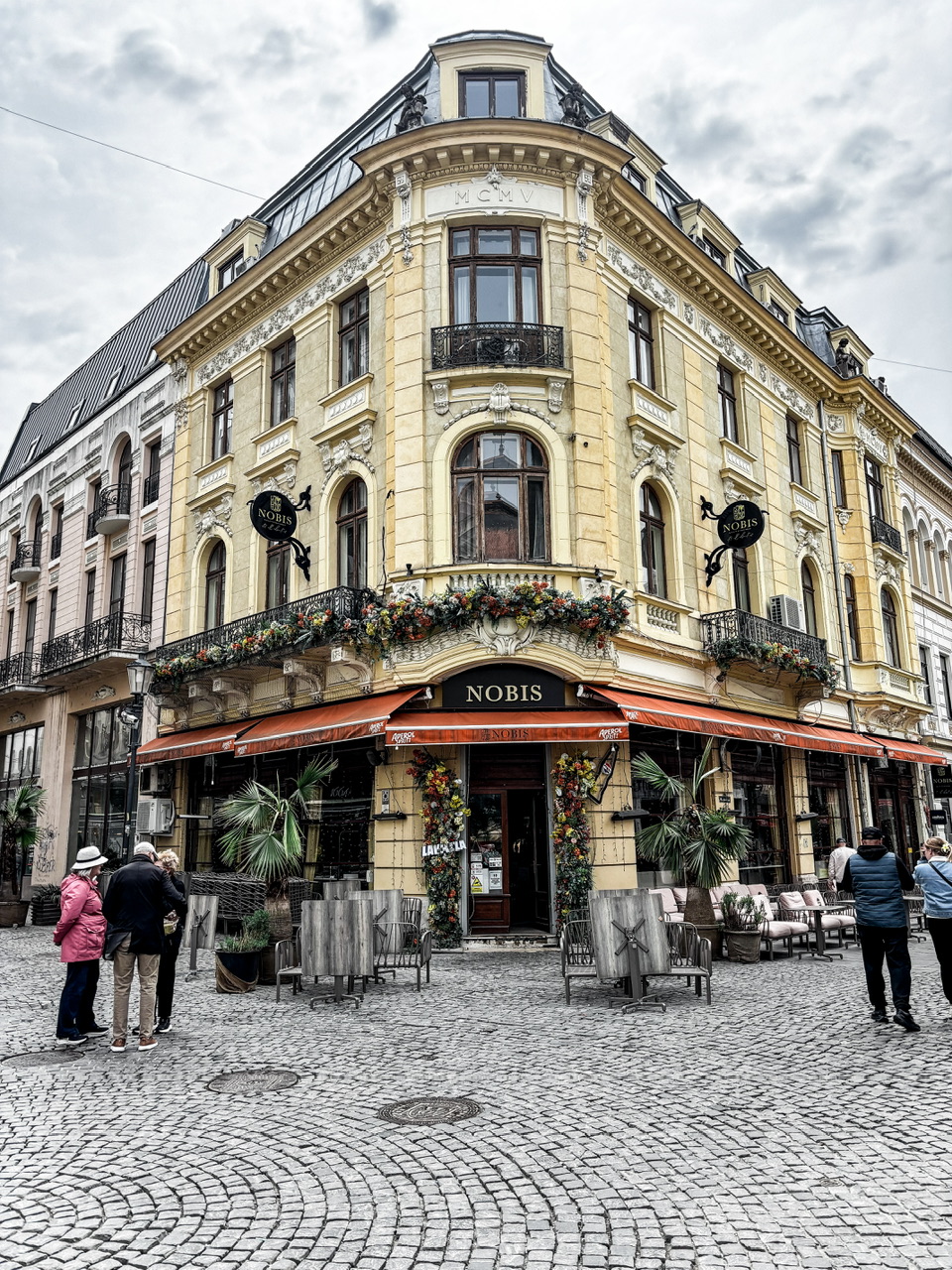
Our Viking Danube river cruise ended in Romania’s capital which is full of unique architecture and monuments.
Our guide took us on a walking tour through the Old Town with free time in the narrow cobblestone streets before stopping for a traditional lunch with a lively folkloric performance at Manuc’s Inn, the oldest operating hotel in Bucharest.
After lunch we visited the outdoor Muzeul Satului (the Village Museum) where authentic houses from all around Romania have been relocated and reassembled, including cottages, houses and water mills.
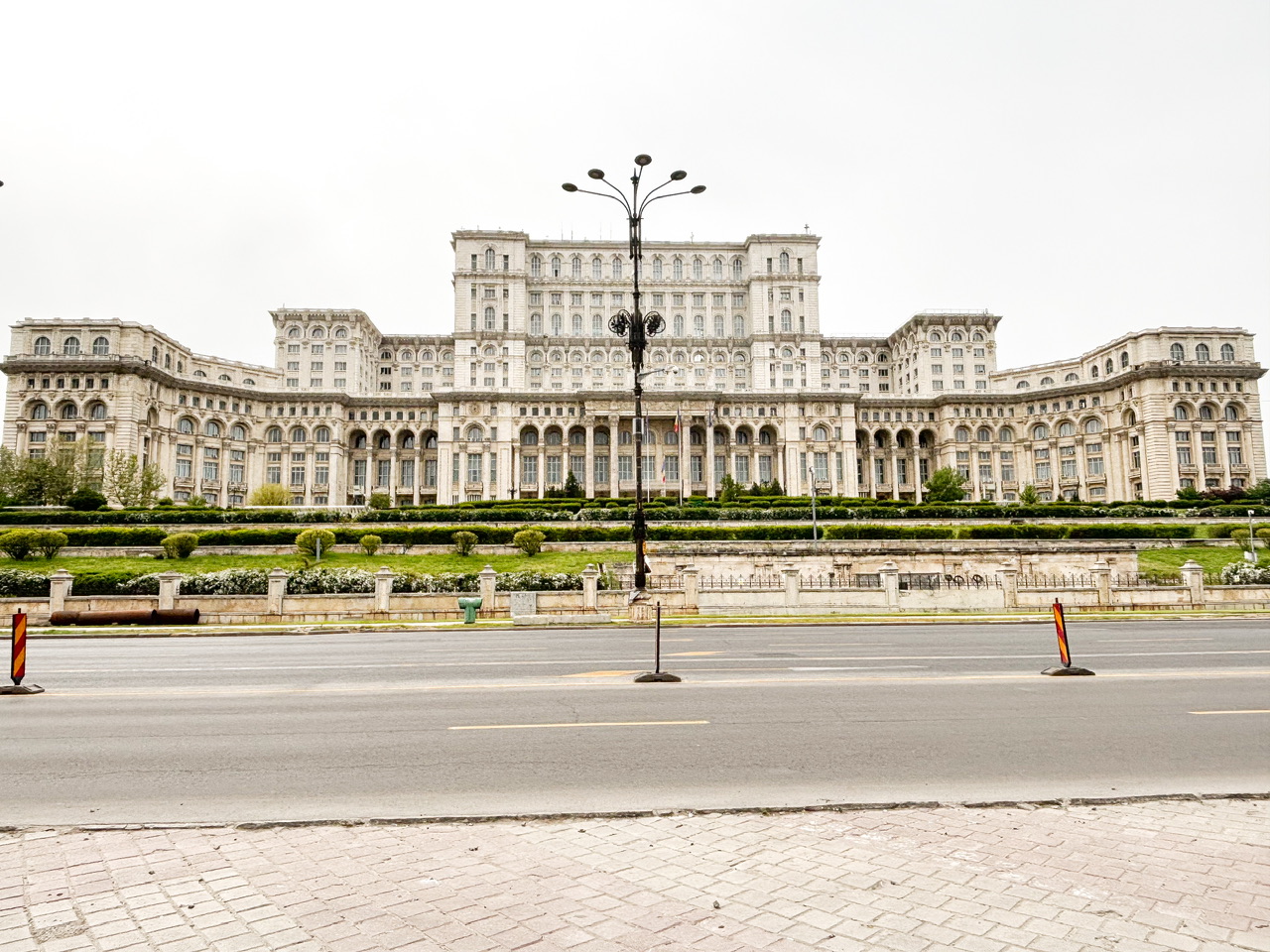
We had a final photo stop at the Palace of Parliament, the second largest administrative building in the world after the Pentagon.
Is a Danube River Cruise Worth It?
A Danube River cruise with Viking offers a unique way to experience Central and Eastern Europe. The Budapest to Bucharest route explores modern history, everyday life, local traditions and different cultures across multiple countries.
Most of the passengers were older and retired but there were a number of adult children travelling with parents. Cruising with Viking is very comfortable and makes the journey very easy.